


Fujifilm X-Half Proves Creative Constraint Is a Commercial Hit

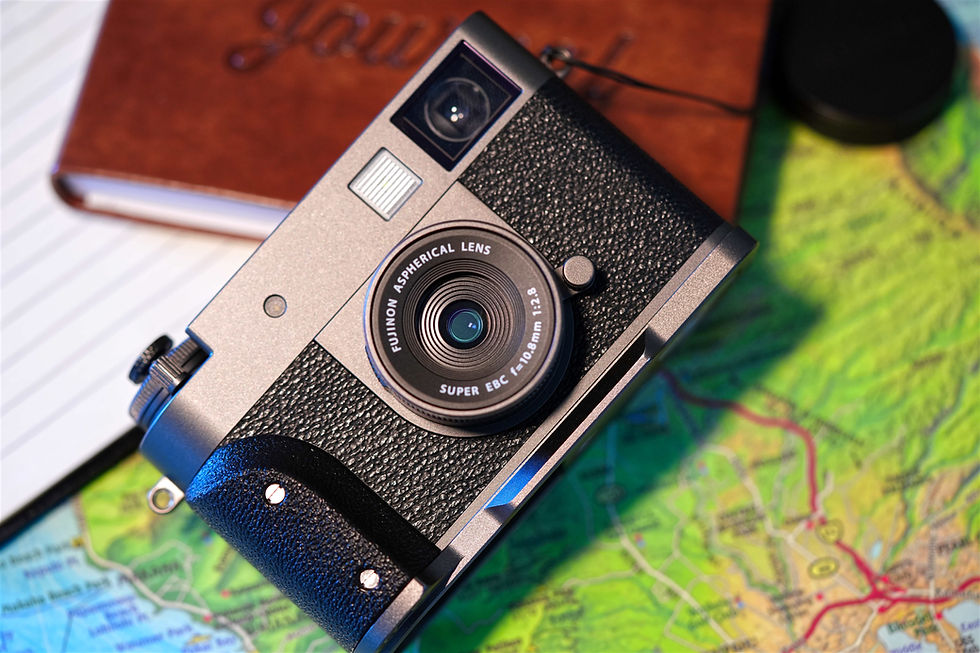
Having now been on the market for approximately six months, the Fujifilm X half (X-HF1) has intensified the debate over aesthetic design versus technical utility.
The camera, which features a unique 18MP 3:4 vertical sensor optimized for social sharing, was detailed in this initial review FujiFilm X Half: Worth the Hype, or Just Another Gimmick? has become a runaway success in its target market, despite significant technical limitations. The $849$ lifestyle accessory was the best-selling camera at major Japanese retailers for at least two consecutive months in 2025, confirming that its core appeal is the fun, "analog-inspired" design and user experience, rather than technical specs. For Fujifilm, this model serves as a successful entry point for new customers into the broader X-series ecosystem.

However, this high price point remains a major barrier for many, as Atlanta-based content creator and photographer Lawrence Williams notes: "Although it's a compelling, interesting, and fun camera, the price point is too high for me to really consider it a realistic option. I would potentially consider buying if it was in the $500 to $600 dollar price point though." For a growing community of users, and for Fujifilm’s bottom line, the answer is a complex blend of both joy and compromise.
The X-Half’s success hinges on its design philosophy, which deliberately sacrifices modern performance to prioritize the creative experience. The most compelling feature is its diptych capability, where the mechanical Film Advance Lever is used to combine two sequential images into one vertical frame. This constraint encourages photographers to think like designers, planning out two-part narratives with deliberate compositional links.
However, this creative focus necessitates technical compromises.
Unlike professional tools (such as the Fujifilm X-H1with its robust build and 5-axis IBIS), the X-Half commits users to the "JPEG Aesthetic." Its lack of RAW files, poor low-light performance, and quick appearance of noise at higher ISOs make it wholly reliant on Fujifilm’s internal color science. Core usability is also hampered by deliberate design choices that favor the nostalgic process: slow startup, sluggish autofocus, a laggy touchscreen, and the lack of basic features like image stabilization (IS) and a "cold" accessory shoe for external flashes or quality microphones. Even the unique "Film Camera Mode" requires connecting to a mobile app to "develop" the roll, disrupting modern workflow.
The X-Half is a defiant piece of gear, but its premium price and utilitarian plastic build mean it is not a versatile workhorse. While its success is overwhelming in target regions like Japan, the high number of second-hand X-Half’s appearing for resale suggests that the novelty wears off quickly for some in Western markets. For serious photographers seeking robust, high-performance compact cameras, alternatives like the Ricoh GR III or the Sony ZV-1 still offer superior technology. However, if you are craving something that is more of an acquired taste, or a tool designed specifically to force you to see the world differently, the X-Half might be the specialized creative kick you need to try.


Comments